On The Mend · Tactical
How to Stop Yourself From Texting Your Ex

To stop yourself from texting your ex, you need to know exactly when the urge hits, install friction in advance, and have a pre-built outlet that isn't them. The urge isn't random — it spikes at three predictable moments: 2am, after drinking, and after good news. Once you can name your trigger, the work shifts from willpower (which fails) to environment design (which works). Here's the moment-by-moment plan.
Willpower is the wrong tool
If you've ever said "I just won't text them" and then texted them anyway, you already know: willpower in the moment is a coin flip. The urge feels like information ("I should reach out, this is important") when it's actually just brain chemistry asking for a hit.
Helen Fisher's neuroscience research on heartbreak shows the brain treats romantic loss like a cocaine craving. The "I should text them" voice and the "I should have a cigarette" voice are coming from the same neighborhood. You wouldn't quit smoking by leaving a pack on your nightstand. Don't quit texting them by leaving the thread on your home screen.
The three trigger moments
Almost every "I texted them and regretted it" text falls into one of three windows.
Trigger 1: 2am
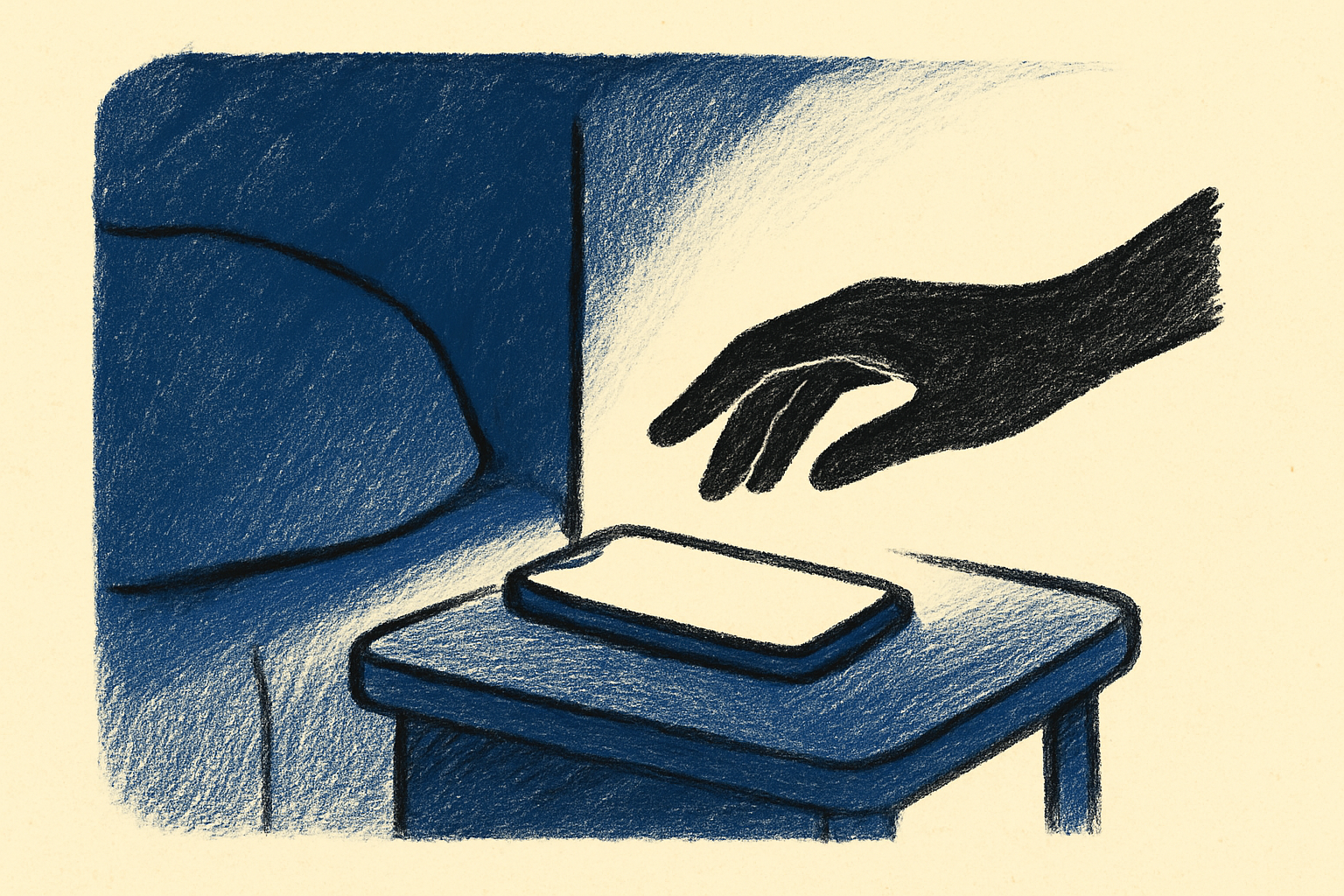
The brain is tired. The defenses are down. You've been turning the relationship over in your head for two hours. Your thumb finds their name without your permission.
What's actually happening: low blood sugar, melatonin spike, no social input to ground you. Your brain is in its most associative state, which means the most painful memories are easiest to access — and so is the urge to fix them.
The 2am move:
- Phone charges in another room. Non-negotiable.
- Do Not Disturb auto-on. Your accountability person on the bypass list.
- A book or a podcast on a sleep timer, so the wind-down has structure.
- If you wake up and reach for the phone, the friction of getting out of bed buys you 30 seconds — usually enough.
Trigger 2: After drinking
Two drinks in, your prefrontal cortex (the "wait, don't do that" part of the brain) is offline. Three drinks in, you genuinely believe sending the text is a good idea.
The drinking move:
- Tell your friends you're in no contact before the night starts. They can intercept the phone.
- Hand over your phone if you go past two drinks. Make it a rule, like a designated driver.
- Block their number in iOS Settings (not just delete the contact). The block survives drunk you better than your judgment does.
- If you're at home alone drinking and sad, that's the actual problem. Address that.
Trigger 3: After good news
You got the job. You got into the program. Your favorite show came back. Your first instinct is to share with the person you used to share everything with.
This one's the cruelest because it doesn't feel destructive. It feels generous.
The good news move:
- Make a list now of three people who get the news first. Pin it in your Notes app.
- Practice the redirect: "good news, I want to tell ___ first." Said out loud.
- Notice that the urge to share with them is also an urge to be noticed by them. Those are two different needs.
Step-by-step: the prevention stack
Build this once. It works for all three triggers.
Step 1. Identify your trigger time
Open your messages. Look at the timestamps on the last five almost-sent texts (the ones you sent, or the ones in your Notes app). Patterns:
- Most cluster between 10pm and 3am.
- Friday and Sunday nights are heavier than midweek.
- Sundays in particular — the "what is my life" hour.
Name yours. "Mine is Sunday between 10 and midnight." Now you have a window to defend.
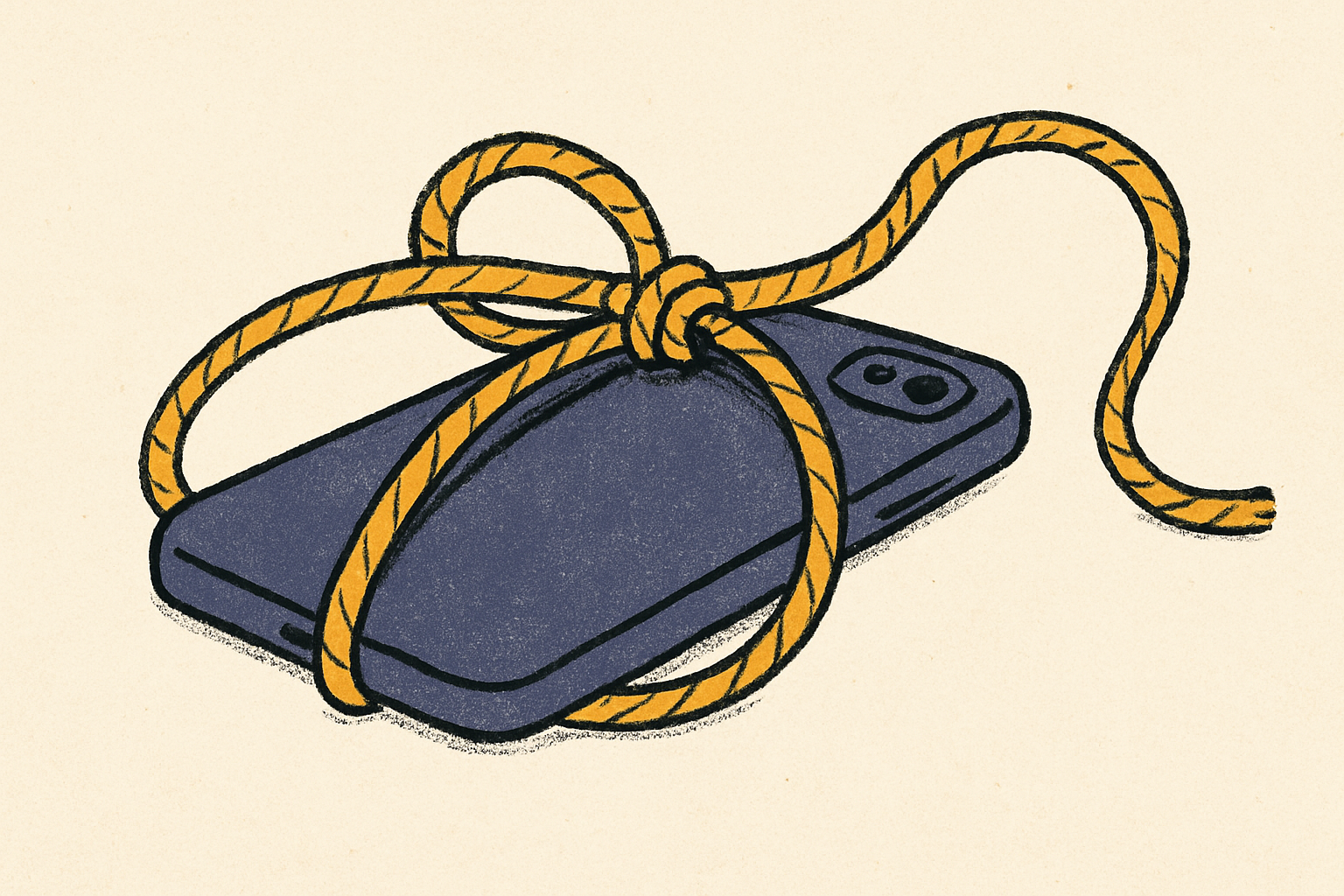
Step 2. Install friction
Friction beats willpower every time.
- Block their number in iPhone Settings → Phone → Blocked Contacts. (Blocks calls and texts both.)
- Delete the iMessage thread, or use Hide Alerts and bury it in a folder.
- Move Messages off your home screen into a folder on page 3.
- Use iOS Screen Time → App Limits to lock Messages during your trigger window.
- For social DMs: Opal, ScreenZen, or OneSec to add a delay before the app opens.
A 10-second delay before Instagram opens stops more drunk DMs than any amount of journaling.
Step 3. Write the text, do not send it
Open the Notes app. Title the note "Drafts I didn't send." Write the whole text. Every word. Don't edit. Don't be reasonable. Write the cruel version, the begging version, the casual "hey" version. Whatever's there.
Then close Notes. Don't send it.
A lot of the time, the brain just wanted the writing. The act of typing the words to them satisfies most of the urge. The sending is the regret part. Separate the two. Naming what you feel out loud or on paper measurably reduces its intensity — the language centers come online, the amygdala quiets down.
After a month, open the file. Read what you wrote. You'll be glad none of it sent.
Step 4. Call the friend or yell at Chaz
The energy has to go somewhere. If you don't externalize it, it stays as pressure.
Call the accountability friend. Voice memo a different friend. Or, if it's 2am and you don't want to wake anyone: open the Chaz app and yell at it. Chaz is an AI you can voice-rage at instead of texting your ex.
This isn't a gimmick. CBT research on emotional regulation consistently finds that externalizing thoughts (saying them out loud or writing them down) reduces their intensity. The point is the externalizing, not the listener.
Step 5. Log the urge
Open your no-contact tracker or your journal. Write three lines:
- Time it hit.
- What triggered it.
- What you did instead.
After two weeks of logs, you'll see your pattern in HD. Then you can defend it specifically. Maybe Sunday 10pm is when you call your mom now. Maybe drinking moves to Saturday afternoons. Maybe you stop drinking for a while.
Step 6. Reward not sending
The streak is the reward.
Watch the number grow. Screenshot it on day 7, day 14, day 30. The not-sending compounds. The version of you on day 30 is materially different from the version on day 1, and the streak is the receipt.
A vivid 2am scenario
It's 1:47am. You're in bed. You've been thinking about the way they laughed at the wedding three months ago. Your hand is on the phone before you decide to pick it up.
Without the system: thread opens, you type "hey, I miss you," you send before you finish thinking, you regret at 2:04am, you spiral.
With the system: phone is in the kitchen. You have to get up. You don't get up. You roll over. The urge passes in 18 minutes. You wake up at 9am, see the streak, drink your coffee, and don't have a hangover of regret.
The whole system exists to buy you those 18 minutes.
When the urge wins anyway
It will, sometimes. You're going to text them at some point. Maybe.
That's not the end of no contact. It's a data point. Restart the clock, log what failed in the system, fix that one thing, keep going. The I broke no contact reset has the full protocol.
The people who succeed at no contact are not the ones with iron willpower. They're the ones who took the failures seriously enough to redesign around them.
The receipt
The text you don't send is not a text you'll regret in three months. It's not closure. It's not a reach-out. It's not "checking in." It's a draft that lived in your Notes app and died there, harmless.
The person on day 60 of no contact is going to thank the person on day 12 who didn't send it.
Build the friction. Log the urges. Watch the streak. Survive the 2am window. The rest takes care of itself.