On The Mend · Attachment
Avoidant Attachment After a Breakup: Why You Feel Fine Until You Don't


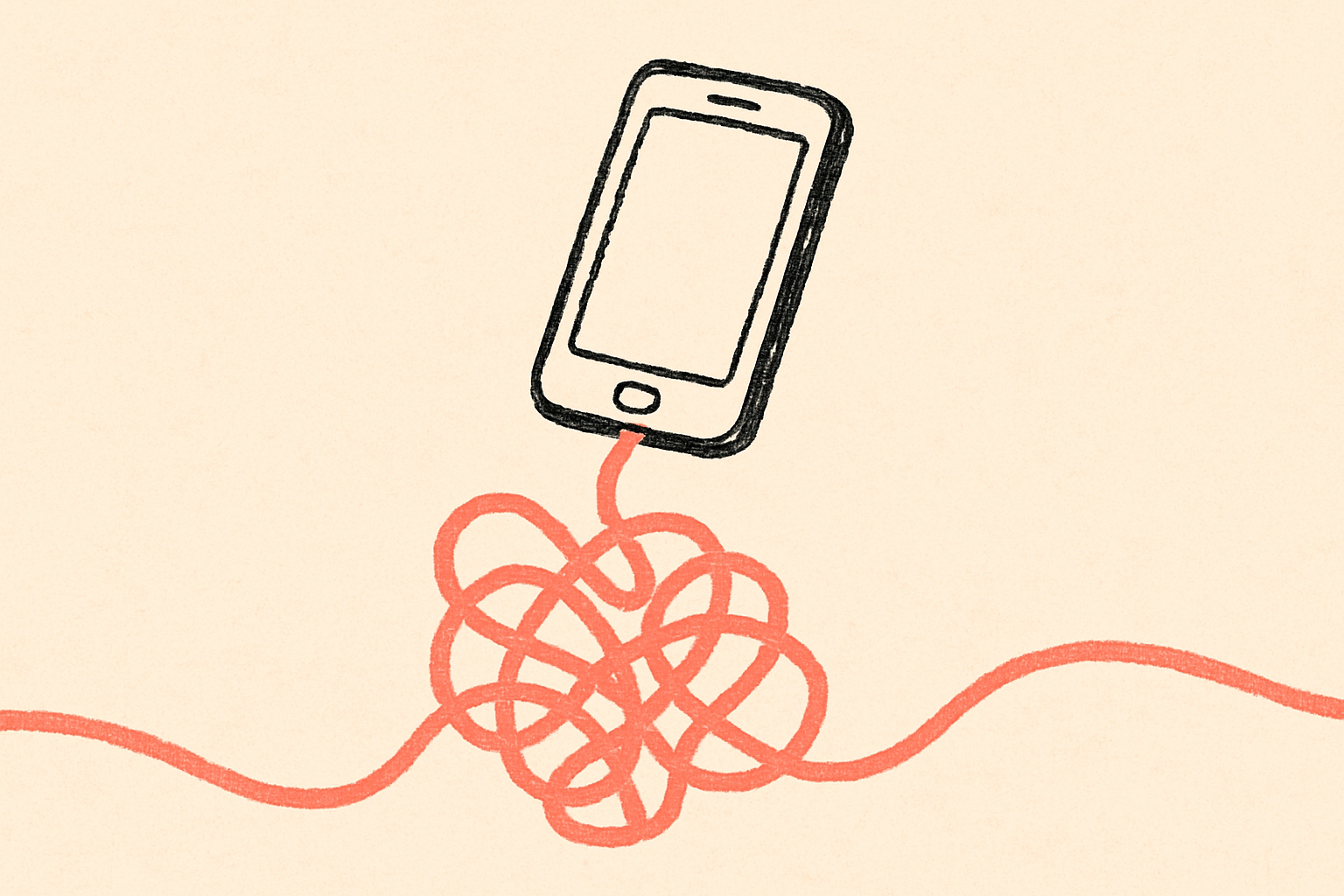
Avoidant attachment after a breakup looks like relief, productivity, a great first month, and then a wall around week six where the grief lands all at once and nothing makes sense. If you have ever broken up with someone, felt fine for forty days, and then woken up gut-punched by missing them, this is the post. The avoidant grief curve is real, well-documented in adult attachment research, and almost nobody warns you about it. Here is what is happening and how to actually feel it instead of skipping ahead to the next person.
What avoidant attachment actually is
The framework starts with John Bowlby's work in the mid-twentieth century on infant separation and continues through Mary Ainsworth's Strange Situation studies in the 1970s, which sorted infants by how they responded to a caregiver leaving and returning. Avoidant infants did not visibly protest when the caregiver left. They appeared independent. Then physiological measurements caught up and revealed those infants were elevated in cortisol and heart rate. They were not unbothered. They had learned not to show it, because showing it had not historically brought a caregiver closer.
Hazan and Shaver extended this to adult romantic attachment in 1987. Avoidant adults, the dismissing variety specifically, tend to value independence, downplay the importance of close relationships, suppress attachment-related distress, and use distance as a regulation strategy. The neural machinery that handles bonding is the same. The setting on it is different. Where anxious attachment hyperactivates under threat, avoidant attachment deactivates. Both are adaptive. Both have a cost.
The deactivation phase
Right after a breakup, an avoidant nervous system does something distinct. It suppresses the attachment system itself, not just the behavior. This is called deactivation, and it is why the first weeks often feel weirdly good.
Common deactivation moves include:
- Immediate focus on work, projects, the gym, anything with measurable progress.
- Mentally cataloguing your ex's flaws, often with surprising specificity.
- A renewed appreciation for "freedom" and "having your place to yourself."
- Reaching out to old friends, especially ones the relationship had crowded out.
- A first hookup or rebound that feels clean and uncomplicated.
- Genuinely believing you are over it.
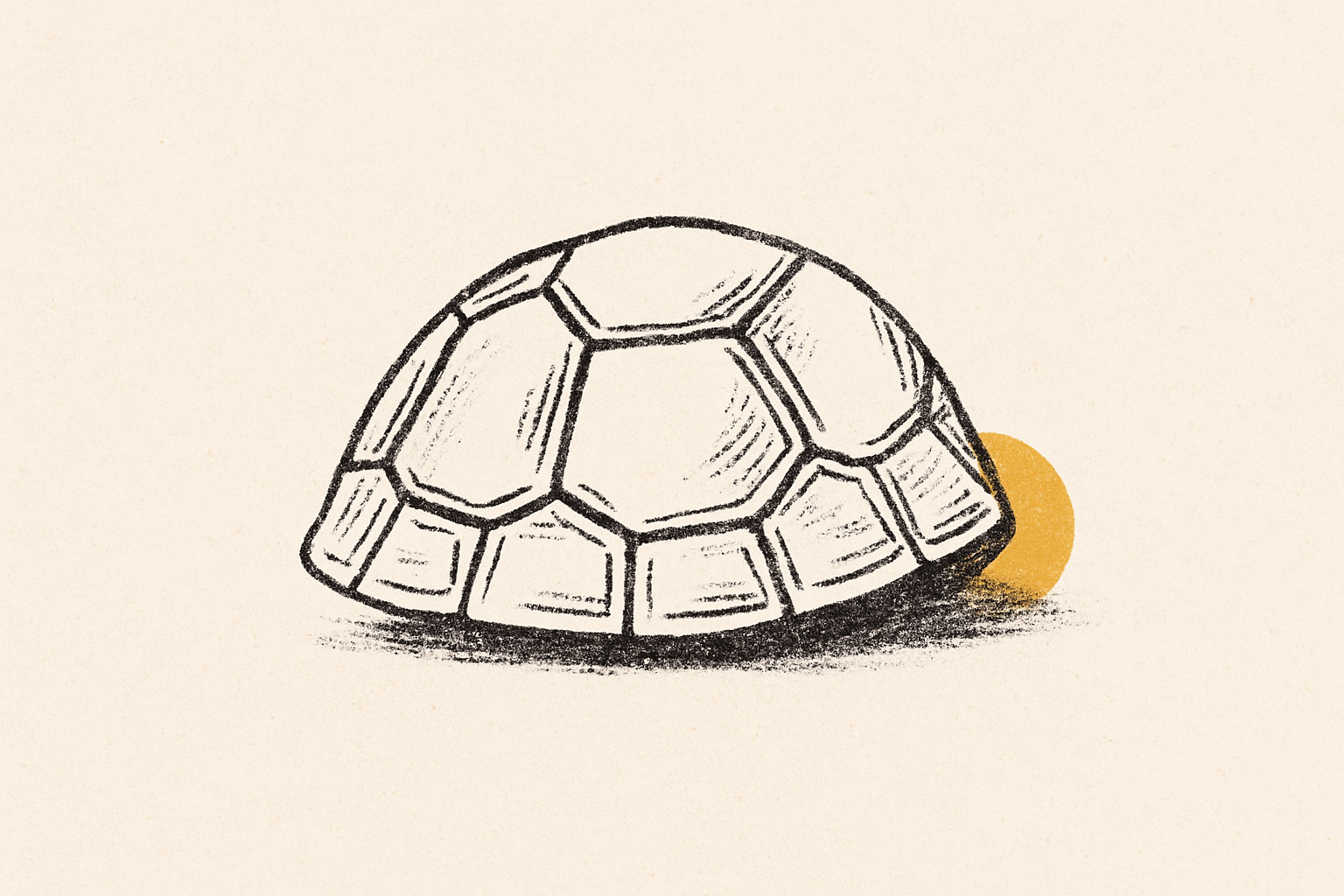
If you are reading this and you broke up two weeks ago and you feel mostly fine, do not gaslight yourself into feeling worse. The relief is real. The relationship probably did have things you needed distance from. But deactivation is a temporary state. It is your system putting a tarp over the attachment wound while you walk away from the scene. Eventually you have to lift the tarp.
The week-six wall
There is no magic universal week, but the pattern is consistent enough that attachment-informed clinicians joke about it. Somewhere between week four and week ten, deactivation starts to fail. The grief lands. And because you have spent six weeks acting like everything is fine, it lands without scaffolding.
What this looks like in practice:
- A song, smell, or place hits you like a body blow.
- You suddenly remember the good parts in vivid detail and the bad parts feel small.
- You miss specific small things — the way they made coffee, a habit of theirs.
- You feel angry at yourself for ending it, or at them for letting you.
- You consider reaching out, and because you have been the one not reaching out, your "reasons not to" feel less defined.
This delayed crash is consistent with what attachment researchers have found about avoidant grief patterns. Avoidant individuals tend to report less acute distress immediately following loss but show comparable or sometimes greater distress at follow-up months later. The body keeps an internal ledger even when the conscious mind is busy with the gym schedule.
Why avoidants miss exes more after the rebound
Here is the part that catches a lot of avoidant people by surprise. The rebound often makes the missing worse, not better.
The mechanism is not mysterious. A new partner provides physical closeness, which gently re-activates the attachment system that deactivation had been suppressing. The system wakes up. But the new person is not the previous attachment figure. The system reaches for a familiar bond and finds nobody home. That is when the ex floods back in.
This is also why "I started dating someone new and now I cannot stop thinking about my ex" is so common. It is not a sign you should get back with the ex. It is a sign the attachment system is reactivating and pulling on the most worn groove. Knowing this can save you a regrettable text or three.
Avoidant vs anxious grief, at a glance
| Aspect | Anxious | Avoidant |
|---|---|---|
| First week | Acute distress, protest behaviors | Relief, focus on productivity |
| Reaching out | Often, repeatedly | Rare, but sometimes a single big swing later |
| Idealization timing | Immediate, intense | Delayed, often after a rebound |
| What helps | Nervous-system regulation, structured no contact | Naming what you are feeling, body awareness, slow exposure to the grief |
| Common mistake | Sending the message at 3am | Skipping the grief entirely by jumping to the next person |
| Recovery shape | Tall sharp peak that flattens over weeks | Low flat line that spikes around week six to ten |
Neither column is healthier. Both styles can move toward earned secure attachment. They just have different ways of avoiding the work.
How to actually feel the grief instead of skipping it
Avoidant deactivation is good at making the pain manageable. It is bad at moving the pain through. If you want to actually be done with this person rather than ambushed by them in two years, the work is to thaw the suppression on purpose, in small doses.
Slow exposure, not catharsis
You do not have to sob on the floor for it to count. Avoidant nervous systems often interpret catharsis demands as a threat and re-armor harder. Smaller doses work better.
- Ten minutes a day where you do not distract. Sit with no phone, no podcast, no task. Notice what comes up. Then go on with your day.
- Name the feeling out loud, even if it sounds clinical. "I am noticing sadness." "I am noticing relief and also sadness." Labeling is a regulation strategy with surprising power.
- Re-read old messages once, with a friend in the room. Not to spiral. To let your system register that the relationship was real and is over.
Body-based work
Avoidants often live above the neck. The grief lives below it.
- Lie on your back. Put a hand on your chest, another on your belly.
- Breathe slowly for two minutes. Notice anywhere you feel tight or numb.
- Stay with that area without trying to fix it.
- Get up. That is the whole exercise. Repeat daily.
This sounds soft. It is not. It is what is happening in a somatic therapy session, and it is one of the few things that reliably moves grief through a system that has been trained to suppress it.
Stop weaponizing independence
A particular avoidant trap after a breakup is to treat the relationship itself as the problem and independence as the cure. This makes the next relationship harder, because you have learned the lesson that closeness equals constraint.
Try a different reframe. Closeness was not the problem. Closeness without skills was. The work is to build the skills, not to retreat from closeness.
A scenario you will recognize
It is week seven. You broke up cleanly. You have been to the gym thirty-one times. Your friends have noticed you look great. You are dating someone new, casually, and it is fine.
Then you are in the grocery store at 9pm and a song plays that you used to listen to with your ex. You stand in the cereal aisle for ninety seconds and you cannot move. You text a friend a screenshot of the song and pretend to make a joke. You go home. You do not sleep well. The next morning you Google "why am I thinking about my ex when I am dating someone new." That is how you end up here.
The cereal-aisle moment is not a sign you should reach out. It is your attachment system reactivating and asking, finally, for the grief that deactivation skipped. The right move is not to send the text. It is to let the next two weeks be harder, on purpose, with structure around it.
Where Chaz fits
If you are the kind of person who is excellent at not sending the text but terrible at letting yourself feel the missing, you do not need a panic-button app. You need somewhere to put the weird week-seven feelings that do not justify calling a friend. Chaz is a free iPhone app with a voice agent and a journal built for that. It also tracks attachment patterns over time so the "I felt fine then I crashed" cycle becomes visible instead of mysterious. Use it. Or do not. Just stop pretending the wall is not coming.
The avoidant path to earned secure
The good news, and there is good news, is that avoidant attachment is not a permanent identity. Longitudinal research on attachment shows real movement across adulthood, particularly after major life events processed with support. Avoidants who do the slow work — feeling the grief in doses, learning to name internal states, staying close in a future relationship even when the impulse is to pull back — often land in earned secure attachment by their late thirties or forties.
The version of avoidance that helped you survive an unreliable caregiver is not the version that builds a life with someone. You do not have to torch the strength. You have to add range to it. The week-six crash is not a malfunction. It is the system asking to be allowed back online. Let it.